Humor is often overlooked in conversations about aging, yet it plays a meaningful role in creating vibrant and supportive environments in senior living communities. When laughter becomes part of daily life, it helps residents feel connected and valued within their community. Families and caregivers alike can appreciate how a lighthearted moment shifts the tone of care from routine to relational.
What if we considered humor not just a nice extra but a key component of healthy living in later years? Evidence shows that even simple acts of laughter have measurable benefits for older adults. For example, a study found that older adults who laughed less were more likely to develop functional disability.
Does Humor Make a Difference in Senior Living Communities?
Yes, when thoughtfully woven into daily routines, humor strengthens wellness and connection. It nurtures physical, emotional, and social health, creating a sense of shared joy and belonging. Within senior living communities, laughter becomes a simple yet powerful way to build happiness and meaningful relationships.
Why Is Laughter So Important for Seniors?
Laughter serves as a simple yet powerful signal that we are engaged, alive, and part of something beyond ourselves. In senior living communities, it offers an immediate cue of comfort and a sense of belonging. According to a study published on PubMed, laughter therapy significantly reduced depressive symptoms and improved overall quality of life among older adults.
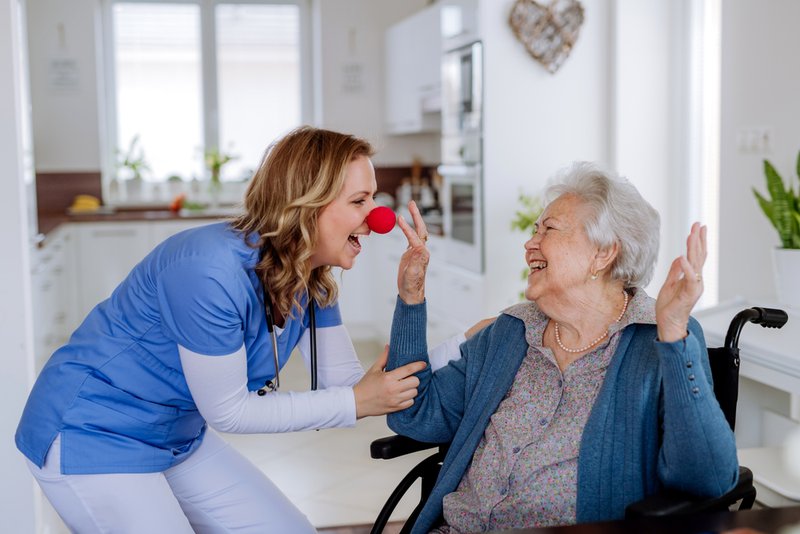
Moreover, as people age, changes such as slower mobility or cognitive shifts can make laughter a gentle equalizer. It requires no special equipment or ability, just the openness to enjoy a moment of play or surprise. That makes laughter accessible regardless of physical or cognitive limitations.
Finally, laughter communicates something deeper: we are still ourselves, still capable of joy and connection. In a community setting, when a resident laughs and others respond, it helps reinforce identity, social presence, and value. It reminds everyone that life here is meant to be meaningful and shared.
How Does Humor Support Health and Well-Being in Senior Living Communities?
Humor and laughter don’t simply feel good; they trigger measurable physiological responses. For instance, one meta-analysis found that a laughter therapy intervention among older adults led to significant reductions in systolic blood pressure and heart rate.
In addition to cardiovascular benefits, laughter stimulates the immune system and lowers stress hormones. Older adults who laugh regularly have enhanced immune‐cell activity and lower cortisol levels.
Emotional health gains are equally important. Laughter helps release feel-good chemicals such as endorphins and oxytocin, which support mood, reduce anxiety, and foster a more positive outlook. When seniors feel lighter and more joyful, engagement in community life often improves.
Can Shared Laughter Strengthen Community Bonds?
In communal living settings, laughter becomes more than a moment; it becomes a shared experience that brings people together. When residents laugh, they participate in what could be called “social glue,” helping build mutual understanding, break down barriers, and foster unity. Shared humor also encourages building meaningful connections in senior living communities, where laughter becomes a natural bridge to friendship and belonging.
Laughter often arises from spontaneous moments like a caregiver’s witty remark, a resident’s lighthearted story, or a group reminiscing over a funny memory. These moments create a culture where residents feel part of something rather than isolated. Strong community bonds formed through regular interaction and shared joy help reduce loneliness and isolation, which are major risk factors for cognitive decline and depression in older adults.
What Role Can Caregivers Play in Promoting Joy?
Caregivers hold a unique position to foster humor because they are present in everyday moments, not just scheduled events. They can model lightness, invite participation, and integrate joy into the rhythms of daily care. When caregivers approach their work with positivity and creativity, laughter naturally becomes part of the culture of caregiving in senior living communities.
Here are five meaningful strategies caregivers can use:
- Listen and reflect: Pay attention to a resident’s sense of humor and respond in ways that honor their personality and preferences.
- Incorporate playful routines: Add fun touches to daily activities such as themed meals, lighthearted decorations, or shared music sessions.
- Encourage resident leadership: Invite residents to lead storytelling, joke-sharing, or reminiscing circles to promote confidence and connection.
- Use humor to ease stress: Gentle, appropriate humor can lighten difficult moments, helping residents feel calm and supported during care routines.
- Celebrate small joys: Acknowledge moments of laughter and positivity, reinforcing that joy is as vital to well-being as physical care.
When caregivers engage in these ways, residents feel less like recipients of care and more like active participants in community life. This approach fosters dignity, autonomy, and emotional connection, while deepening trust and engagement between caregivers and residents.
Encouraging Playfulness and Connection in Senior Living Communities
Creating opportunities for play and connection doesn’t require elaborate planning; it simply requires intention. Across senior living communities, the benefits of activities that inspire laughter, choice, and spontaneity are clear. Light exercise programs, game nights, or music-based events often become sources of shared happiness. Understanding what to look for in an assisted living facility includes noticing how joy, humor, and social engagement are woven into everyday life.
Here are some ideas to embed into daily routines:
- Group reminiscence with humorous prompts (e.g., “What was the funniest mistake you ever made at work?”)
- Lighthearted exercise sessions that incorporate playful movement or laughter yoga elements
- Intergenerational visits where younger people and elders share jokes or stories
By weaving these moments into the community, the culture shifts toward one where residents anticipate interaction and look forward to the next shared laugh. Over time, this transforms community living into more than a place of care; it becomes a place of joy.

Fostering a Culture of Joy and Friendship
When a community consistently invites humor, it builds what might be called a culture of joy. This culture appears in hallway greetings, shared meals, and the natural tone of staff-resident interactions. Families exploring options often notice laughter in hallways and a sense of ease among residents and staff, which can be one of the most telling signs of a positive environment. Knowing the right questions to ask when touring senior living communities helps families recognize where joy is genuinely part of daily life.
To support that culture:
- Leadership sets the tone by encouraging humor and consistently modeling it.
- Staff training highlights humor’s role in wellness, not just in completing care tasks.
- Community spaces are arranged to invite spontaneous connection through shared activities.
- Regular group programs celebrate playfulness and inclusion, fostering meaningful bonds among residents.
As that culture takes root, friendships flourish, residents engage more fully, and the environment shifts from a care setting to a true community of belonging. That shift matters deeply for the quality of life in senior living communities.
Bringing It All Together: Aging with Laughter
When humor becomes part of daily life, it supports the whole person—body, mind, and community. Seniors find more than safety and care; they find belonging, engagement, and purpose. Caregivers and staff become companions and co-creators of joy, not just providers of tasks.
Families seeking a community that values meaningful living and embraces laughter and shared moments quickly notice the difference in how life unfolds. Residents thrive when their needs are met and their spirits are lifted. Assured Senior Living actively fosters this warm, joyful environment through humor and connection, and we welcome the opportunity to share how we do it with your family.