As loved ones age, families increasingly worry about maintaining cognitive health and finding supportive care solutions. Many seniors and caregivers explore neuroprotective supplements and herbal therapies that can effectively complement established treatment strategies. Evidence shows these options may slow cognitive decline and enhance overall well-being when integrated into a personalized care plan.
Families feel empowered when they understand safe approaches to herbal support and can actively engage in care decisions. Consulting healthcare professionals ensures supplements and therapies align with existing medical treatments and minimize potential risks. Thoughtful integration encourages better outcomes and reinforces confidence in supporting loved ones through the challenges of aging and cognitive change.
Can Herbs and Neuroprotective Supplements Really Support Cognitive Health?
Families often ask whether natural remedies can truly make a difference for individuals living with Alzheimer's. Research indicates that certain herbs and supplements, including neuroprotective supplements, may have protective effects on the brain by reducing inflammation, improving circulation, and supporting neurotransmitter balance. However, it is essential to remember that responses vary from person to person and that evidence is strongest when these approaches complement, rather than replace, established medical care. Understanding both the potential benefits and limitations helps families make informed decisions for their loved ones.
Common Neuroprotective Herbs and Their Role
Exploring natural options for brain health has gained interest among families seeking gentle ways to support cognitive function. Neuroprotective supplements, including herbs and nutrients, are being investigated for their potential to complement traditional care and help memory and cognitive function. Understanding the range of options available enables families to make informed decisions and safely integrate these approaches into their daily routines.
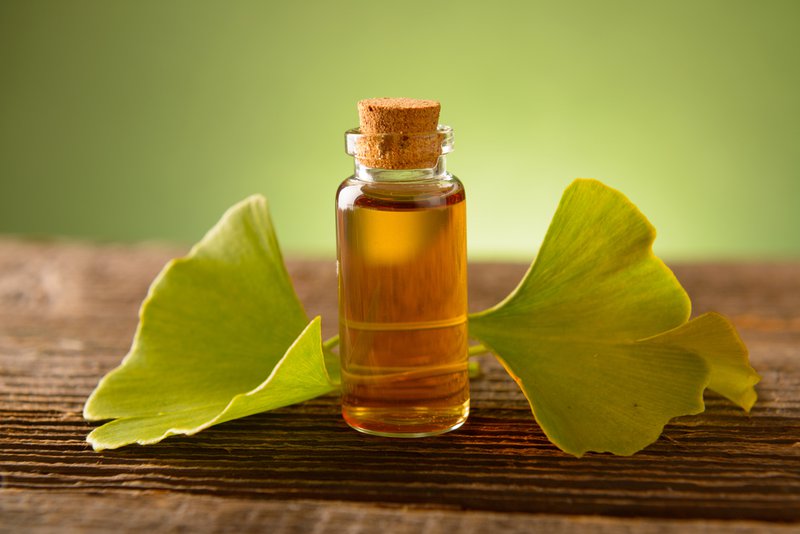
Evidence suggests that combining multiple herbal approaches may be more beneficial than relying on one alone. A systematic review from PubMed highlighted that multi-targeted therapies often show greater promise in slowing the progression of dementia symptoms. Families exploring neuroprotective supplements should ensure that each option aligns with their loved one's medical profile and needs. Guidance from healthcare providers remains critical, especially when multiple therapies are considered.
- Ginkgo biloba – enhances brain blood flow and supports memory and focus.
- Turmeric (curcumin) – reduces inflammation and oxidative stress, supporting cognitive function.
- Ashwagandha – helps manage stress and promotes resilience for brain health.
- Omega-3 fatty acids – support neuronal repair and reduce inflammation associated with Alzheimer's. Vitamin E – may protect cells from oxidative damage and support overall brain function.
- Supportive therapies, such as structured reminiscence programs and music therapy, complement herbal interventions.
Evidence Supporting Herbal and Nutritional Options
Research into herbal medicine for Alzheimer's has grown significantly in recent decades. A review published in ScienceDirect found that ginkgo supplementation demonstrated modest improvements in cognition for individuals with mild to moderate dementia. Similarly, curcumin has been studied for its antioxidant properties, with some clinical trials suggesting a potential for slowing the buildup of amyloid plaques in the brain. While outcomes are varied, the collective evidence continues to support further exploration of these approaches.
According to the CDC, approximately 6.7 million Americans aged 65 and older are living with Alzheimer's disease in 2023. With such staggering numbers, families often seek every safe avenue to support their loved ones. Studies in the National Library of Medicine also note that non-pharmaceutical interventions, including neuroprotective supplements, may serve as valuable complements to traditional therapies. However, they emphasize that no herbal or nutritional option should be considered a substitute for medical treatment.
Practical applications of herbal support often involve minor adjustments to daily routines. For example, incorporating turmeric into meals or adding omega-3-rich foods may be both safe and accessible. When families combine these habits with structured support, like incontinence management, they create a more holistic care environment. These efforts can provide comfort and dignity, while also offering possible brain health benefits.
Families can also find reassurance in understanding the balance between hope and reality. While some studies suggest promising outcomes, researchers stress that herbs should be viewed as complementary supports. This means they may provide meaningful benefits but cannot replace medical care or guarantee outcomes. A balanced perspective helps families approach care decisions thoughtfully and without unrealistic expectations.
Safety Considerations and Drug Interactions
Safety remains a critical consideration when introducing herbal and nutritional supplements. Many families turn to neuroprotective supplements, but understanding potential interactions is essential. Consulting healthcare providers ensures that each supplement complements existing treatments safely and effectively.
Several practical steps help reduce risks and promote safe use of herbal and nutritional interventions:
- Consult a healthcare professional – review all herbs and supplements with a physician or pharmacist before starting.
- Monitor dosage carefully – potency and purity may vary between products; follow professional guidance for optimal use.
- Check for drug interactions – herbs like ginkgo may increase bleeding risk, while turmeric can affect gastrointestinal medications.
- Evaluate multiple health conditions – seniors managing several illnesses require extra caution when adding new supplements.
- Observe for intolerance – watch for signs such as digestive discomfort or unusual reactions.
- Educate families – understanding benefits and limitations improves confidence and supports informed decision-making.

Collaborating With Healthcare Providers on Neuroprotective Supplements and Herbs
Consulting with healthcare providers before starting any herbal regimen is not only wise but also essential. Physicians, pharmacists, and care staff can provide guidance tailored to individual health needs and conditions. They can also monitor progress over time, adjusting approaches as necessary to maintain safety and comfort. This partnership allows families to explore natural options without compromising medical care.
Families may feel unsure about how to raise the topic of herbs and supplements. An open and straightforward approach works best, such as asking, "Would any natural supports complement the care plan?"This invites providers to share evidence-based recommendations and ensures decisions are collaborative. Clear communication also reassures families that every aspect of care has been thoughtfully considered.
Engaging healthcare providers also helps track measurable outcomes. For example, noting whether memory exercises paired with herbal support improve engagement or reduce agitation provides valuable insights. When providers, caregivers, and families work together, the overall care experience becomes more cohesive and reassuring. The goal is always to enhance quality of life while safeguarding health.
Providers can also guide families toward broader supportive services. Alongside herbal support, therapies such as structured activities and personalized care planning can address multiple needs.
A Compassionate Approach to Cognitive Health
Families caring for seniors with Alzheimer's often feel overwhelmed by the choices before them. The exploration of herbs and neuroprotective supplements can be both hopeful and uncertain. Balancing evidence with safety considerations helps ensure that natural support enhances well-being without creating new risks. Compassion, patience, and open communication are key in navigating this journey.
At the heart of care is the desire to preserve dignity and quality of life. Herbal support can play a role when combined with medical guidance and personalized care plans. Assured Senior Living provides staff guidance and monitoring to integrate herbal and nutritional support into resident wellness plans safely. Families are encouraged to consult with the care team to explore safe and thoughtful ways to support brain health within a holistic approach.
Discover how Assured Senior Living offers compassionate, individualized care that combines medical expertise with the safe integration of supportive therapies for seniors with cognitive challenges.