Aromatherapy offers a gentle, non-invasive way to enhance well-being in an assisted living facility. Carefully selected scents can invigorate the senses, uplift moods, and create moments of meaningful engagement throughout the day. Residents often respond positively to these experiences, showing increased focus, calmness, and emotional comfort.
When implemented thoughtfully, aromatherapy supports more than relaxation; it can enrich memory-related activities and encourage social interaction. Staff can design personalized sessions that complement daily routines while addressing individual needs and sensitivities. The result is a nurturing environment where residents feel safe, valued, and more connected to their surroundings.
Why Is Aromatherapy Beneficial in an Assisted Living Facility?
Aromatherapy enhances the quality of life for residents in an assisted living facility by supporting cognitive function, mood, and relaxation. Studies suggest that certain scents, such as lavender and rosemary, can have a positive impact on memory and emotional well-being. Integrating aromatherapy alongside social engagement programs enhances resident interactions, reduces agitation, and encourages meaningful participation. Thoughtful implementation ensures residents enjoy benefits safely while avoiding adverse reactions.
Which Essential Oils Best Support Memory and Mood?
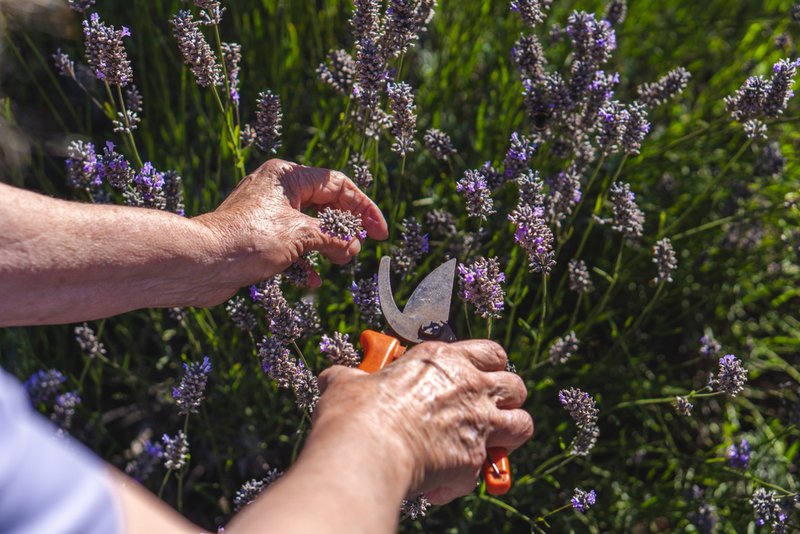
Lavender is widely recognized for its calming properties and its ability to improve sleep quality among older adults in assisted living facilities. Incorporating lavender can reduce anxiety and support a more restful environment. Peppermint and rosemary help enhance alertness and memory recall during daytime activities.
Other oils, such as lemon and chamomile, provide gentle uplifting effects without overwhelming residents. Rotating essential oils throughout the week prevents olfactory fatigue and maintains engagement. Combining scents with other sensory experiences, such as memory-stimulating activities, has been shown to improve cognitive performance in seniors with mild cognitive impairment.
A 2023 study published in PubMed found that a four-week aromatherapy intervention significantly reduced agitation in patients with dementia, particularly those exhibiting physically non-aggressive behaviors. The study utilized the Chinese version of the Cohen-Mansfield Agitation Inventory (CCMAI) to measure outcomes. These findings support the use of aromatherapy as a complementary approach to managing behavioral and psychological symptoms of dementia.
How Can Staff Safely Apply Aromatherapy in Shared Spaces?
Applying aromatherapy in shared spaces of an assisted living facility requires careful planning to ensure all residents benefit without discomfort. Using diffusers in well-ventilated areas disperses scents evenly and prevents overexposure to scents. Staff must monitor residents for sensitivities or allergies to essential oils.
Rotation and moderation are crucial for maintaining a safe environment. Limiting scent concentration and duration helps prevent headaches or irritation. Consistent observation allows staff to tailor aromatherapy routines to residents’ needs.
Staff should consider the benefits of shared rooms in memory care communities when placing diffusers and selecting scents. Shared spaces promote socialization and can amplify the positive effects of aromatherapy when residents experience scents together in a safe, controlled setting.
Training is crucial for staff in an assisted living facility to recognize adverse reactions and respond appropriately. They should understand proper diffuser use, the properties of oils, and their interactions with medications. Knowledgeable staff ensure every resident receives safe and effective aromatherapy.
What Training and Precautions Are Necessary for Staff?
Staff must receive comprehensive training toimplement aromatherapy programs safely andd effectively. This training ensures residents’ safety while maximizing therapeutic benefits. Key areas include proper application methods, safe dilution ratios, and monitoring for adverse reactions.
- Consent and Documentation: Obtain consent from residents or their families before introducing new scents: document preferences and any reactions to inform continuous improvement. Open communication allows staff to adjust aromatherapy routines as needed.
- Medical Awareness: Understand residents’ medical histories to personalize programs safely and effectively. Be aware of potential interactions between essential oils and medications. Consult a healthcare professional when you are uncertain about using specific oils.
- Protocols and Standardization: Develop written protocols to maintain consistent practices across the assisted living facility. Clear guidelines help reduce errors and ensure safe selection, application, and monitoring of aromatherapy.
- Ongoing Education: Provide regular refresher training to keep staff informed on best practices. Emphasize safety, scent rotation, and recognizing residents’ responses. Staff education supports both resident well-being and program effectiveness.
How Can Aromatherapy Contribute to a Calming Sensory Environment?
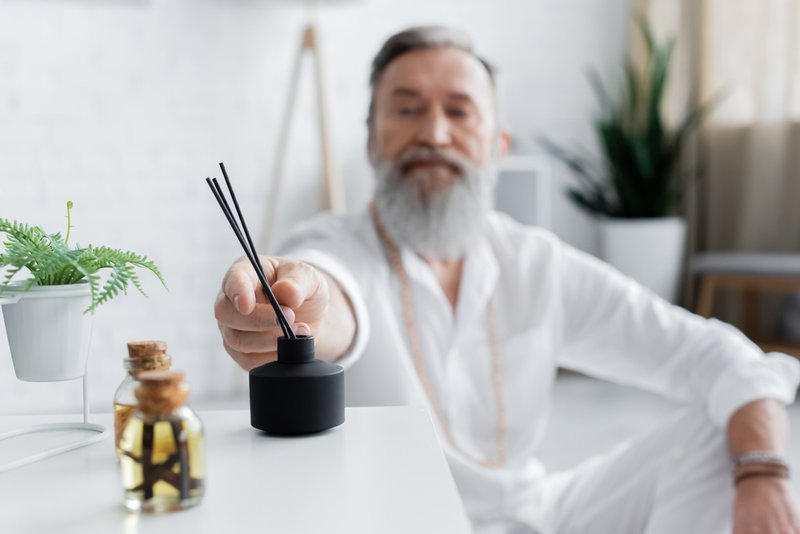
Aromatherapy contributes to a soothing environment when integrated with lighting, music, and tactile activities. Coordinating multiple sensory elements reduces agitation and promotes relaxation. Consistent routines help residents associate specific scents with calming experiences.
Evening lavender sessions encourage relaxation and winding down in an assisted living facility, aligning with natural circadian rhythms. In the morning, peppermint or citrus scents can enhance alertness and engagement during daily activities. Thoughtful scheduling reinforces residents’ sense of routine and comfort.
Personalized aromatherapy sessions enable residents to choose their preferred scents, thereby enhancing their emotional well-being. Family input can guide scent choices to reflect familiar and comforting aromas. Tailoring sessions strengthens the effectiveness of aromatherapy as a therapeutic tool.
Combining aromatherapy with memory-focused activities promotes cognitive engagement and enhances memory. Diffusing rosemary during memory games can improve recall and participation. Integrating scent and activity creates a multi-sensory approach to memory care, enhancing social connections and engagement among residents.
A Compassionate Approach to Aromatherapy in an Assisted Living Facility
Implementing aromatherapy programs in an assisted living facility requires a personalized and empathetic approach. Selecting appropriate oils, training staff effectively, and monitoring resident responses ensure meaningful outcomes. Continuous assessment enables the program to evolve in response to residents’ needs.
At Assured Senior Living, aromatherapy sessions are tailored to residents’ preferences and sensitivities. Trained staff implement programs safely to enhance relaxation, stimulate memory, and support emotional comfort. Families can request customized sessions to ensure every resident benefits optimally.
Families seeking a supportive environment with safe, personalized therapies can explore Assured Senior Living’s approach to aromatherapy and holistic senior care.