Caring for someone with memory care challenges often feels like balancing safety with independence. Families want solutions that protect dignity while giving residents as much autonomy as possible. Daily routines, cognitive support, and caregiver efficiency often become challenging to manage without assistance.
Smart home technology now enables residents to live safely and independently while supporting their caregivers. Motion sensors, wearable trackers, and automated reminders allow staff to monitor residents without intruding. Families can gain peace of mind knowing emergencies or routine changes are detected quickly.
Smart Devices That Support Memory Care Residents
Memory care residents benefit from a variety of tools designed to enhance safety and daily functioning. These devices help caregivers monitor activity, support independence, and provide reassurance for families. Integrating technology can reduce risks while promoting confidence and routine in everyday life.
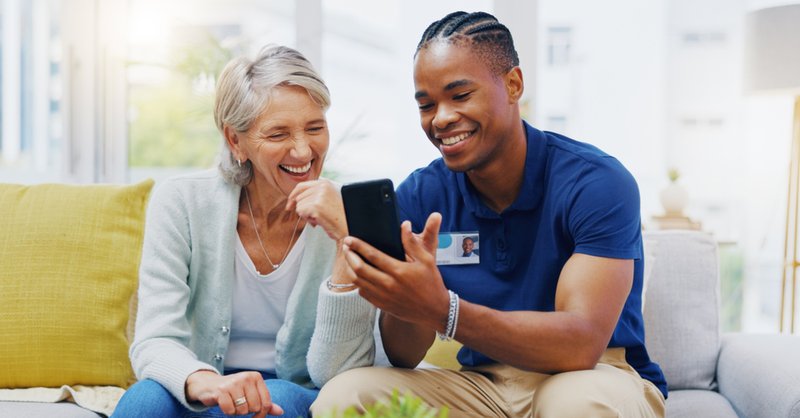
Using the right combination of innovative solutions creates a safer, more supportive environment. The following key devices highlight how technology can improve memory care experiences for residents and staff:
- Motion Sensors: Detect unusual activity patterns and alert staff to potential wandering or inactivity.
- GPS Trackers: Assist caregivers in locating residents who may unexpectedly leave safe zones.
- Smart Pill Dispensers and Reminder Apps: Support timely medication adherence and reduce missed or duplicate doses.
- Automated Safety Systems: Include stove shut-offs and adaptive lighting to minimize environmental hazards.
- Remote Monitoring: Allows families and caregivers to respond quickly to changes or emergencies.
How Memory Care Technology Supports Caregivers and Reduces Risk
Smart technology improves caregiver efficiency while helping residents stay safe throughout their daily routines. Alerts from fall detectors and GPS trackers allow staff to act quickly in emergencies. Monitoring devices reduce stress and provide peace of mind for families without replacing human oversight.
Wearable sensors track heart rate, sleep patterns, and mobility, helping identify health changes early. These insights support proactive interventions, which may help prevent more serious medical issues. Technology also allows caregivers to spend more time providing emotional support and engaging in activities.
Research confirms that smart home health technologies improve independence and self-management for older adults. One study found 24 digital interventions for dementia addressed neurocognition, self-care, and health behaviors. These results demonstrate meaningful improvements in daily functioning and overall quality of life.
Addressing Privacy and Ease of Use
Privacy is a critical concern for both families and residents in memory care settings. Many seniors feel uncomfortable with continuous monitoring or unclear handling of personal health data. Families often seek transparency regarding who can access data, how it is stored, and retention duration.
Ease of use significantly impacts whether technology is adopted successfully by both residents and caregivers. Complex setups or confusing interfaces can create frustration and reduce consistent usage. Devices should provide clear prompts, minimal steps, and reliable operation tailored to cognitive and physical abilities.
Proper staff and family training ensures technology enhances support without creating additional stress for residents. Hands-on guidance allows caregivers to troubleshoot devices efficiently and help residents feel confident using them. This approach strikes a balance between safety and autonomy, encouraging residents to engage positively with technology.
Combining smart monitoring tools with human oversight ensures a balanced, resident-friendly system. Detection systems alone cannot replace personal observation and timely intervention by caregivers. Enhancing safety with detection technology shows how this integration creates both security and comfort in memory care homes.
Emerging Innovations in Aging-in-Place Technology
New technologies are transforming memory care by enhancing safety, promoting independence, and fostering cognitive engagement. Habit recognition systems analyze residents’ daily routines to detect subtle behavioral changes indicating cognitive decline. Early detection enables caregivers to intervene before challenges escalate, thereby improving the quality of life for residents.
AI-driven monitoring can predict fall risks and emerging health issues, enabling the implementation of preventive measures. Adaptive tools offer voice or visual guidance to help individuals complete daily activities safely and efficiently. These solutions reduce frustration while promoting autonomy and confidence in memory care residents.
IoT-enabled systems continuously track health metrics, activity patterns, and environmental conditions for comprehensive monitoring. Data collected helps identify changes that may signal early cognitive or physical decline. Pilot studies confirm smart sensors detect shifts in daily routines among residents with mild impairment.
Beyond safety, technology enhances overall wellness and supports the management of chronic conditions. These systems can support medication adherence, physical activity, and mental engagement, fostering holistic care. As explained, the advantages of technology for senior health include smart solutions that help residents remain independent longer while receiving consistent support.
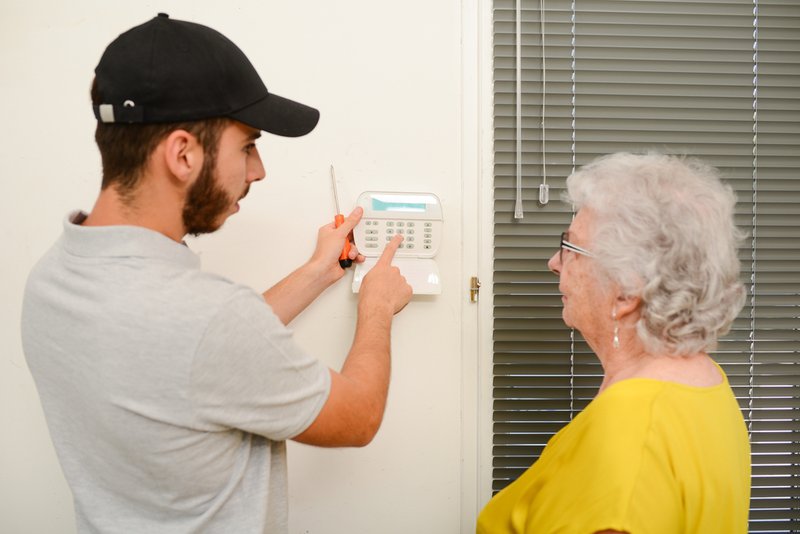
How Can Smart Technology Be Integrated into Memory Care Homes?
Smart technology is now embedded in the daily routines of memory care residents. These systems help create safer and more predictable living environments while supporting independence and overall well-being. Thoughtful integration also enables caregivers to focus more on providing personalized care and engaging in meaningful interactions.
Adopting the right combination of devices enhances both resident safety and family confidence. The following key technologies illustrate the ways smart solutions contribute to a secure and supportive memory care home:
- Fall Detectors: Alert caregivers immediately if a resident experiences a fall, enabling rapid response.
- GPS Trackers: Provide real-time location tracking for residents who may wander beyond safe areas.
- Motion Sensors: Monitor movement patterns to detect unusual activity or prolonged inactivity.
- Automated Environmental Controls: Adjust lighting or shut off appliances to reduce hazards.
- Personalized Reminder Systems: Support residents in maintaining daily routines, including medication and orientation prompts.
Technology with Compassion at the Core
Smart home technology, when applied thoughtfully, enhances residents’ dignity, safety, and everyday independence. Selecting tools that match individual needs while respecting privacy ensures meaningful support for both residents and families. Thoughtful integration enables caregivers to focus on personal connections and the quality of care they provide.
Families seeking supportive memory care can see how technology works in conjunction with compassionate caregiving and personalized routines. To learn how Assured Senior Living integrates smart solutions into memory care residences, reach out and discover options that provide confidence and peace of mind. These solutions help create a safe and nurturing environment where residents can thrive, with reassurance and comfort.