Aging often brings changes in memory, focus, and learning speed, yet neuroplasticity therapy demonstrates that seniors retain significant brain adaptability. Scientific studies confirm that the brain continues to form new connections well into advanced age, and targeted activities can help strengthen them. Families may worry about cognitive decline, but evidence highlights strategies that meaningfully support recovery, resilience, and mental growth. Seniors can maintain cognitive flexibility, emotional well-being, and skill retention with consistent engagement and thoughtful interventions.
Research shows that the aging brain can indeed adapt and recover, even after trauma or periods of decline. Neuroplasticity enables the formation of new neural pathways, allowing seniors to relearn skills or compensate for lost functions. With proper stimulation through physical activity, cognitive exercises, social interaction, and creative engagement, older adults can experience measurable improvements in memory, focus, and daily functioning.
Activities That Promote Brain Adaptability
Supporting neuroplasticity therapy requires intentional habits that challenge both the body and mind. Engaging in diverse activities encourages seniors to activate different cognitive pathways, strengthening resilience and mental agility. Combining mental, physical, and social stimulation sets the foundation for ongoing brain health and overall well-being.
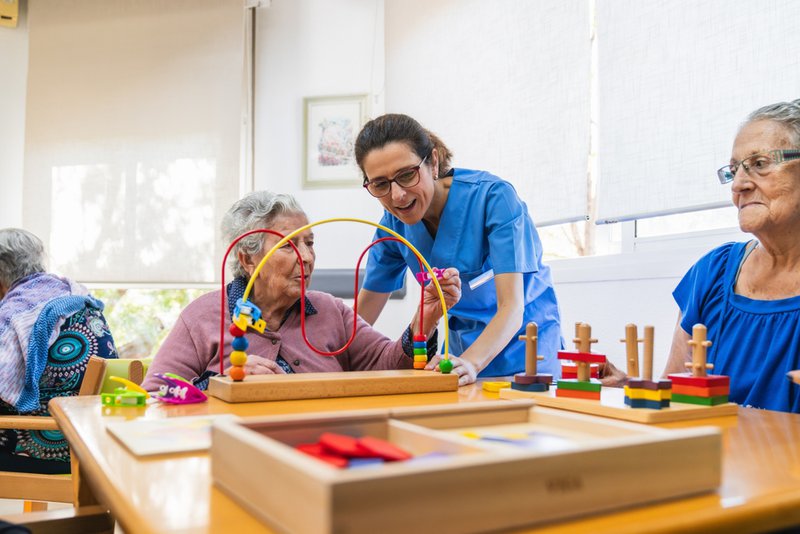
Seniors who participate regularly in structured yet enjoyable exercises often experience improved focus, motivation, and confidence. Incorporating novel experiences helps prevent monotony while fostering curiosity and emotional satisfaction. Ultimately, a consistent routine of varied activities promotes both independence and engagement.
To effectively support neuroplasticity in seniors, consider the following approaches:
- Physical Activity – Engaging in regular physical exercise enhances circulation and stimulates brain growth factors, reducing the risks of depression and dementia. Activities like walking, yoga, or light strength training are particularly beneficial.
- Cognitive Challenges – Engaging in puzzles, word games, or book discussions helps keep neurons active and may help prevent mental decline. Learning new skills, such as painting or using digital tools, adds variety and boosts self-confidence.
- Reminiscence Therapy – Encouraging seniors to recall and share memories strengthens identity and mood. This therapeutic approach has been demonstrated to enhance cognitive function and improve the quality of life, particularly among individuals with dementia.
- Social Engagement – Regular interaction through group activities, shared meals, and conversations activates multiple brain regions, promoting overall well-being. Meaningful social connections foster language skills, empathy, and emotional regulation, reinforcing adaptability.
- Balanced Lifestyle – Incorporating a mix of aerobic and muscle-strengthening activities, along with balance exercises, supports overall brain health. The CDC recommends at least 150 minutes of moderate-intensity activity per week for older adults.
By incorporating these activities into daily routines, seniors can enhance their brain's adaptability and resilience, leading to improved cognitive health and a higher quality of life.
Recovery After Stroke or Trauma: The Role of Neuroplasticity Therapy
Stroke recovery in older adults often demonstrates how therapy reactivates or strengthens weakened brain regions. Imaging studies reveal that surrounding areas frequently compensate, enabling seniors to regain partial speech, balance, or mobility. Improvements occur gradually; however, persistence in therapy yields meaningful changes in daily function.
Seniors with traumatic brain injury also benefit when therapy includes structured practice of everyday skills. Small victories, such as regaining the ability to dress independently, often lead to larger breakthroughs in confidence. In memory care settings, structured routines, physical therapy, and cognitive exercises foster both recovery and adaptation. Reminiscence programs additionally reduce agitation, promote relaxation, and anchor residents in familiar experiences.
Encouragement and repetition remain central to progress in neuroplasticity therapy. With patience, seniors frequently surpass expectations, demonstrating that the aging brain holds remarkable resilience.
Importance of Lifelong Learning and Engagement
Engagement in lifelong learning consistently correlates with better brain health among seniors. Reading groups, art workshops, or language classes stimulate unused pathways while boosting mood. Importantly, research shows that older adults engaged in learning perform cognitively like individuals several years younger.
Curiosity encourages growth, as exploring new hobbies builds confidence and a sense of purpose. From digital literacy to music, new skills increase adaptability and enjoyment. Furthermore, ongoing intellectual challenges support neuroplasticity therapy, helping seniors maintain their independence while improving decision-making and memory skills.
Social engagement paired with intellectual challenges also promotes emotional resilience. Activities that blend social interaction, problem-solving, and creativity provide powerful benefits. Exploring the role of physical activity reveals how combined movement and mental stimulation simultaneously reinforce multiple systems.
How Personalized Care Programs Support Mental Agility Through Neuroplasticity. Personalized resident care programs for seniors go beyond standard activities by addressing each resident’s emotional, cognitive, and physical needs. Tailoring programs to individual strengths fosters engagement and increases participation in daily routines. When seniors feel recognized and understood, they are more confident in trying new experiences.

The environment and approach to care play a significant role in mental agility. Comfortable, home-like settings reduce anxiety, improve orientation, and allow residents to practice skills safely. Programs that incorporate meaningful choices and creative experiences help maintain independence and foster problem-solving skills.
Key elements of effective personalized care programs include:
- Individual Goal Planning – Collaborating with residents to set achievable, meaningful personal objectives that motivate daily engagement.
- Adaptive residents' support – Providing exercises and activities adjusted to the resident’s pace, abilities, and preferences.
- Multi-Sensory Stimulation – Incorporating music, art, textures, and scents to activate different brain systems simultaneously.
- Structured Social Support – Facilitating connections with peers and staff through guided interactions, discussion groups, and cooperative tasks.
- Family Participation – Encouraging family residents ' involvement in activity planning and feedback to align programs with the residents’ life histories and interests.
Implementing these strategies supports neuroplasticity therapy, enhances mental agility, boosts confidence, and promotes overall well-being in seniors.
Holding onto Hope: Building Stronger Futures Together
Neuroplasticity therapy provides families with hope that aging does not erase adaptability or recovery potential. Even in later life, brains remain capable of learning, healing, and building resilience through supportive environments and one's consistent engagement.
If you are seeking a community where your loved one’s mind is nurtured as carefully as their physical health, compassionate options exist. Assured Assisted Living offers memory care and supportive living programs that emphasize neuroplasticity, dignity, and enrichment, promoting a holistic approach to care. Families can connect with care teams to design personalized plans that encourage mental agility, strength, and lasting well-being.