Integrating Reiki and energy healing into senior wellness programs offers a holistic approach that emphasizes relaxation, comfort, and emotional balance. These therapies provide non-invasive support in conjunction with traditional medical care, tailored to the specific needs of older adults. Understanding the advantages and limitations of these practices is essential for families exploring comprehensive wellness options.
Many assisted living communities are incorporating Reiki and energy healing practices to enhance the overall well-being of their residents. These therapies can help reduce anxiety and provide gentle support for chronic pain or emotional distress. Evidence suggests that a strong social network supports mental and physical health in seniors.
Balancing the Benefits and Limitations
Reiki and energy healing in senior wellness programs can provide relaxation, stress reduction, and emotional comfort. However, the scientific evidence is limited, and results vary among individuals. When used in conjunction with conventional care, these therapies can complement, but not replace, medical treatment.
Weighing the Pros and Cons of Incorporating Reiki and Energy Healing in Senior Wellness Programs
Pros:
- Provides relaxation and stress relief, which can help improve emotional balance in older adults.
- Non-invasive and safe when practiced by trained professionals.
- May help reduce anxiety and provide gentle support for pain management.
- It can be integrated alongside other holistic activities, such as music therapy and social engagement.
Cons:
- Limited scientific evidence and small study sizes make results less predictable.
- Not a substitute for medical treatment, requiring careful integration with clinical care.
- Outcomes vary significantly depending on the individual's response.
- Potential costs or practitioner inconsistencies may affect accessibility and quality.
What is Reiki and Energy Healing?
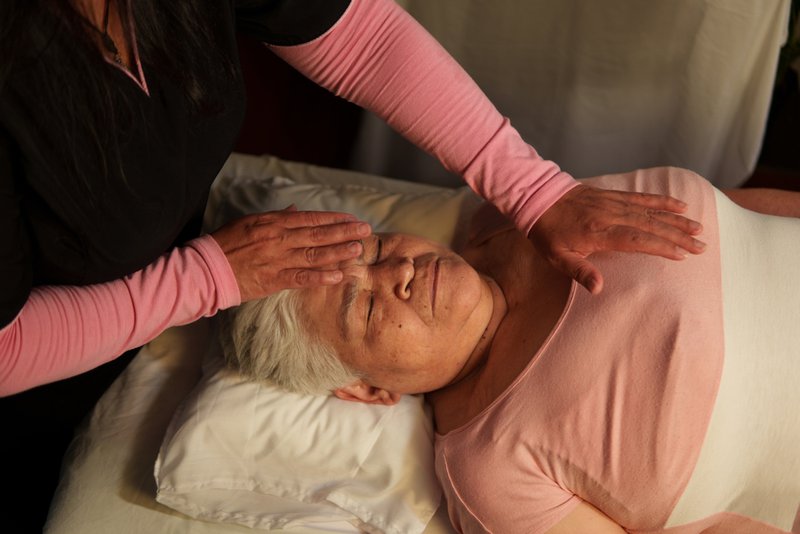
Reiki is an energy healing practice originating from Japan that focuses on balancing the body's natural energy fields. Practitioners place hands lightly on or near the body to facilitate relaxation and support emotional wellbeing. Additionally, energy healing encompasses practices that aim to harmonize the mind, body, and spirit for improved health outcomes.
In senior wellness programs, Reiki can be used in conjunction with music therapy, reminiscence programs, and other supportive activities to enhance comfort. Research suggests that these therapies may help reduce stress and improve mood in older adults. While safe for most, it is vital to ensure qualified practitioners conduct sessions.
These therapies do not replace conventional medical treatment but act as supportive measures. They provide opportunities for seniors to experience calm and focus, which can improve overall quality of life. Families should be involved in care discussions to ensure alignment with health needs.
Senior wellness programs often combine Reiki with other holistic options, such as guided meditation or gentle physical activity. Integrating multiple approaches can create a well-rounded environment that provides both emotional and physical support. This approach emphasizes resident-centered care that respects personal choice and comfort.
Scientific Support and Critiques of Using Reiki and Energy Healing in Senior Wellness Programs
Evidence for Reiki and energy healing is still emerging, with most studies being small-scale or exploratory in nature. A systematic review noted positive effects on pain and anxiety but emphasized the need for larger controlled studies. Families should understand that results can vary and that therapy is primarily complementary in nature.
Critics argue that standardized protocols are lacking, making it challenging to compare outcomes across studies. Additionally, placebo effects may contribute to the perceived benefits. Despite these concerns, many seniors experience tangible relaxation and comfort from consistent sessions.
Ultimately, Reiki should be considered a supportive element in senior wellness programs rather than a replacement for traditional therapy. Families and caregivers can evaluate benefits on a case-by-case basis. Ensuring clear communication among practitioners, staff, and families is essential for the safe implementation of care.
How to Vet Practitioners and Respect Resident Preferences
Selecting qualified practitioners is crucial for safe and effective energy healing in senior wellness programs. Look for certified Reiki Masters with experience in caring for older adults and an understanding of cognitive or physical limitations. Verification of training and references ensures professional accountability.
Resident preference is equally essential when integrating Reiki into wellness programs. Some seniors may embrace alternative therapies, while others may prefer conventional treatments. Providing clear information about benefits and limitations helps families make informed decisions.
Involving residents in the decision-making process encourages autonomy and respect. Seniors who choose Reiki sessions often experience a sense of empowerment and control over their wellness routine. Open communication among staff, residents, and their families fosters trust and promotes adherence.
Monitoring results ensures that programs remain beneficial and aligned with resident needs. Staff should observe responses to therapy and adjust schedules or techniques accordingly. Incorporating feedback into program design supports a person-centered approach.
Creating a Holistic Wellness Environment
Integrating Reiki and energy healing alongside other therapies supports comprehensive senior wellness. Combining physical, emotional, and social activities fosters a balanced environment that promotes overall well-being. Research shows that socialization plays a crucial role in a senior’s overall well-being, making it essential for maintaining mental and emotional health.
Holistic programs may include exercise, music therapy, cognitive games, and social engagement activities. Each component contributes to mental and physical health, reinforcing the benefits of energy healing. Residents often report higher satisfaction and comfort when offered multiple wellness options.

Social interaction is enhanced when energy healing sessions are part of broader community programs. Group activities or paired sessions can foster connections, reducing feelings of isolation and loneliness. According to AARP, social engagement has a significant impact on the cognitive and emotional health of seniors.
Ultimately, integrating holistic therapies into senior wellness programs necessitates careful planning and ongoing monitoring. Staff should ensure safety, resident comfort, and alignment with personal preferences. Structured wellness programs support a nurturing, person-centered environment that enhances daily life.
Enhancing Senior Wellness with Compassionate Care
Reiki and energy healing provide gentle, supportive options for seniors to enhance their well-being and emotional balance. These offer complementary benefits for stress reduction, pain management, and overall well-being. Families can explore these approaches as part of a comprehensive wellness plan.
Communities that integrate Reiki within structured senior wellness programs create nurturing, personalized care environments. For families seeking professional, safe, and resident-centered programs, Assured Senior Living offers holistic therapies designed to enhance comfort, choice, and quality of life.